So, you’re trying to boost sales, right? Most people think it’s all about getting more people to click ‘buy.’ But honestly, that’s just looking at one tiny part of the picture. Real sales funnel optimization is way bigger than just conversion rates. It’s about making sure every single step, from the first time someone hears about you to them becoming a loyal customer, is working hard to bring in the most money possible. We’re talking about a full-funnel marketing approach that uses a bit of psychology to turn more browsers into buyers and get those buyers to spend more. It’s less about marketing tasks and more about a solid revenue strategy.

Key Takeaways
- Sales funnel optimization isn’t just about getting more clicks or sign-ups; it’s a full revenue strategy that looks at the entire customer journey to maximize profit.
- Focusing only on conversion rates at one stage is a mistake; true optimization requires a full-funnel marketing approach, from awareness to post-purchase.
- Understanding your funnel’s bottlenecks and leaks through marketing funnel analysis is key to identifying where money is being lost and how to fix it.
- Boosting average order value and reducing cart abandonment are direct ways to increase revenue without needing more traffic.
- Continuous testing and refining of your sales funnel, informed by data and customer feedback, are crucial for sustained growth and maximum gains.
Stop Leaving Money On The Table: The Real Goal Of Sales Funnel Optimization
Look, most folks hear “sales funnel optimization” and their eyes glaze over, picturing endless spreadsheets and maybe a few more clicks on a button. They think it’s all about squeezing a few extra percentage points out of a conversion rate. And yeah, that’s part of it, but it’s like saying a race car is just about having four wheels. It misses the whole point.
Why Focusing Only On Conversion Rates Is A Fool’s Errand
Seriously, if you’re just chasing conversion rates, you’re probably leaving a ton of cash on the table. It’s like being happy you got someone to walk into your store, but not caring if they buy anything or how much they spend. A high conversion rate on a $10 item isn’t nearly as good as a slightly lower conversion rate on a $100 item, right? We need to look beyond just getting people in the door and focus on what actually fills the cash register.
It’s A Revenue Strategy, Not Just A Marketing Task
This whole funnel thing? It’s not just some fluffy marketing exercise. It’s a straight-up revenue strategy. Think about it: every single step a potential customer takes, from first hearing about you to actually handing over their money (and hopefully coming back for more), is an opportunity. An opportunity to make more money. It’s about understanding why people buy, when they buy, and how much they’re willing to spend. It’s about making sure that when someone is ready to buy, you’ve set things up so they buy the most profitable thing for you, not just the cheapest.
Beyond Basic Metrics: What Really Moves The Needle
Forget just tracking how many people click a link or sign up for a newsletter. We need to get real. What actually matters to your bottom line?
- Average Order Value (AOV): How much does the average customer spend per order? Can we nudge that up?
- Customer Lifetime Value (CLV): How much is a customer worth to you over their entire relationship with your business? This is huge.
- Cart Abandonment Rate: Why are people leaving their carts? Fixing this is like finding free money.
- Profit Margins: Are you just discounting everything to death, or are you selling value?
Focusing solely on conversion rates is like admiring your car’s speedometer without checking the fuel gauge or the oil. You might be going fast, but you’re likely to break down or run out of gas way before you reach your destination. We need to look at the whole dashboard to actually get somewhere profitable.
So, when we talk about optimizing your sales funnel, we’re not just talking about making things look pretty. We’re talking about making more money. Period. It’s about being smarter, not just busier.
Unlocking Hidden Revenue: Tactics For A Full-Funnel Marketing Attack
Look, most folks think “sales funnel optimization” means just getting more people to click “buy.” That’s like saying a car is just about the engine. It’s missing the whole point. We’re talking about making more money from every single person who even glances at your stuff. It’s a revenue strategy, plain and simple, not just some marketing fluff.
Top Of Funnel: Building Awareness That Actually Converts
This is where people first hear about you. It’s also where most of your potential customers bail. Forget just getting eyeballs; we want eyeballs that are ready to buy. Think about using social proof – not just “we have customers,” but “See? 50 people are looking at this exact item right now.” It makes people feel like they’re missing out if they don’t jump in. This isn’t about being loud; it’s about being relevant from the get-go.
Middle Of Funnel: Driving Consideration And Reducing Decision Time
Okay, they know you exist. Now what? This is the “hmm, maybe” stage. You gotta make them lean towards “yes.” Instead of just waiting for them to decide, nudge them. Offer a “low stock” alert for that item they’ve been eyeing. It creates a little urgency without being fake. People are busy. If you can shave off even a little bit of their thinking time, they’re more likely to add it to their cart and less likely to wander off to a competitor.
Bottom Of Funnel: Boosting Average Order Value And Slashing Cart Abandonment
This is the finish line, but so many people trip right before it. Cart abandonment is a killer, with most people leaving items behind. Don’t just hope they come back. Give them a reason to spend a little more right there in the cart. A “spend $10 more and get free shipping” or a tiered discount can make a big difference. It stops them from leaving and makes them spend more, boosting your average order value without you spending an extra dime on ads. It’s about getting more from the customers you already have.
The real money isn’t just in getting the sale, it’s in maximizing the value of every sale and making sure that customer comes back. Thinking about the whole journey, from the first click to the repeat purchase, is how you actually grow your revenue, not just your website traffic.
The Financial Payoff: How Funnel Analysis Drives Serious ROI
Look, we all want more money, right? It’s why we’re even talking about sales funnels. But if you’re just staring at your conversion rate, you’re missing the big picture. It’s like trying to figure out if your car is running well by only checking the gas gauge. You need to look at the whole dashboard.
Mapping Your Funnel For Crystal Clear Visibility
First off, you gotta know where your customers are coming from and where they’re going. If you don’t have a clear map of your sales funnel, you’re basically flying blind. You can’t fix what you don’t understand. Think about it: marketing might be sending over a ton of leads, but if sales can’t handle them or they’re just not the right kind of leads, then what’s the point? Mapping it out means everyone, from the folks posting on social media to the sales reps on the phone, knows what’s supposed to happen and how their job fits in. It gets everyone pulling in the same direction, instead of just doing their own thing.
Identifying Bottlenecks And Leaks Like A Pro
Once you’ve got that map, you can start spotting where things are going wrong. Are people clicking on your ads but then bouncing off your landing page? That’s a leak. Are they getting to the checkout but then ditching their carts? Another leak, and a big one. You need to find these spots where money is just slipping through your fingers. It’s not about guessing; it’s about looking at the numbers. For example, if you see a huge drop-off between people adding items to their cart and actually buying them, you know that’s where you need to focus your energy. Maybe it’s a complicated checkout process or unexpected shipping costs. Figuring this out means you can stop wasting money on traffic that’s just going to leave.
Forecasting Revenue And Allocating Resources Wisely
Here’s where it gets really good. When you actually understand your funnel and how many people move from one stage to the next, you can start predicting how much money you’re going to make. It’s not magic; it’s math. If you know that, say, 10% of your leads turn into customers and each customer spends an average of $100, then you can figure out how many leads you need to hit your sales target. This helps you decide where to put your money. Should you spend more on ads to get more leads? Or maybe invest in improving your checkout process to stop those cart abandonments? Knowing your numbers lets you make smart decisions about where to spend your time and cash, so you’re not just throwing money at the wall hoping something sticks. It’s about making sure your marketing efforts are actually driving predictable growth.
The real win with funnel analysis isn’t just seeing more sales today. It’s about building a predictable system that makes you more money over time, without you having to constantly reinvent the wheel or slash prices to the bone. It’s about making your business healthier and more profitable, plain and simple.
Here’s a quick look at how fixing things can add up:
- Top of Funnel: Getting more eyes on your stuff that actually want it. This means fewer wasted ad dollars.
- Middle of Funnel: Helping people decide faster. Less time thinking means more sales.
- Bottom of Funnel: Getting people to buy more and actually finish their purchase. This directly boosts your total sales and cuts down on lost revenue.
- Post-Purchase: Turning buyers into repeat customers. This is pure profit because you’ve already done the hard work of acquiring them.
Beyond The Sale: Cultivating Loyalty And Lifetime Value
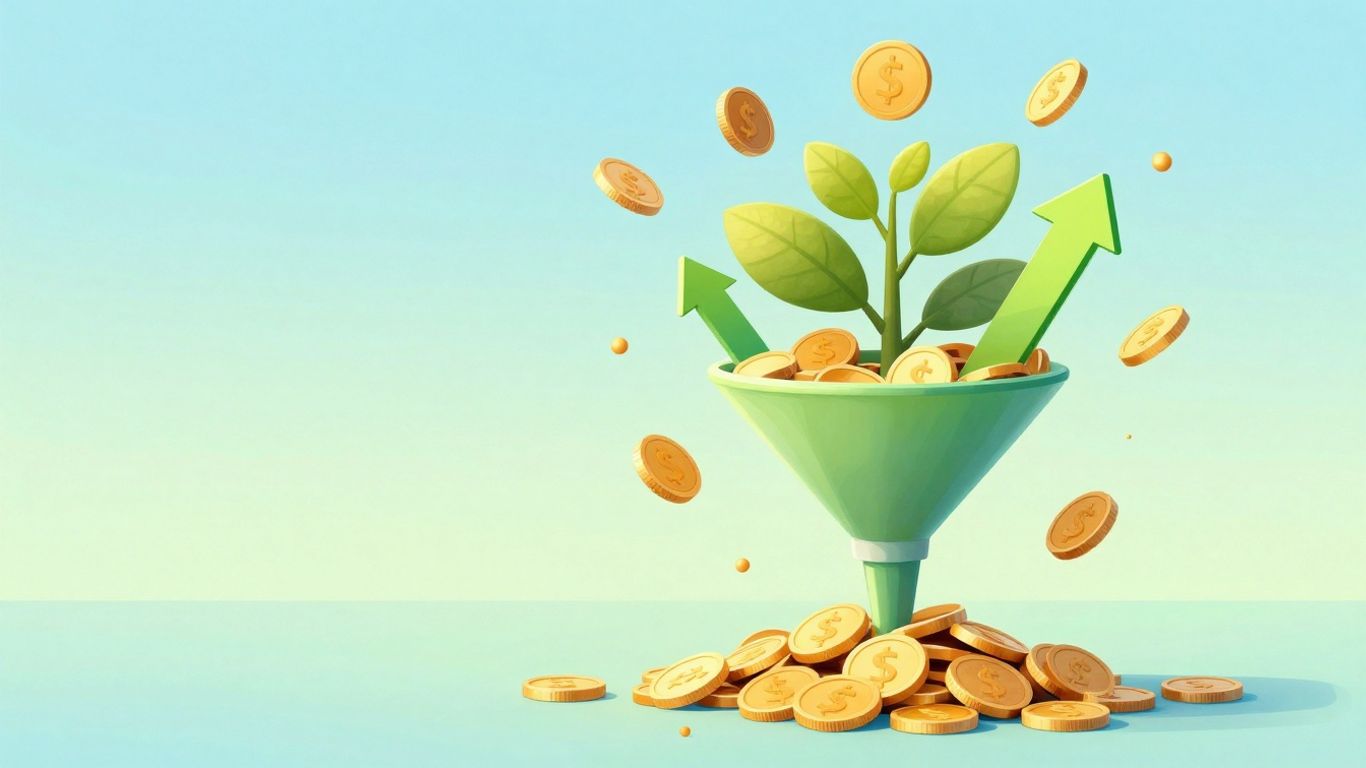
Look, getting someone to buy something once is nice. It’s like getting a first date. But if you want a long-term relationship – and in business, that means repeat customers and a steady stream of cash – you gotta do more than just seal the deal. The real money, the kind that makes your accountant do a little jig, is in what happens after the sale. This is where you turn a one-time shopper into someone who actually wants to give you more of their hard-earned cash.
The Power of Post-Purchase Offers
So, they just bought something. Awesome. Now what? Don’t just send them a boring “thanks for your order” email and call it a day. That’s like saying goodbye at the door after that first date and never calling again. Instead, use that moment to build excitement for what’s next. Think about giving them a little something extra, a reason to stick around. Maybe it’s early access to a new product, or a special deal for their next purchase, but here’s the kicker: make it time-sensitive. You want them thinking, “I better use this soon!”
- Time-Sensitive Bounce-Back Offer: Give them a discount for their next purchase, but it expires in, say, 7 days. This gets them thinking about coming back before they even get their first order.
- Exclusive Early Access: Slip a note in their confirmation email about a limited-edition item dropping soon. Make them feel like an insider.
- Referral Program with a Twist: Encourage them to share their new purchase. If their friend buys, both get a reward. It’s a win-win that taps into social proof.
Turning One-Time Buyers Into Raving Fans
Getting a customer is good. Getting a loyal customer? That’s gold. Customer Lifetime Value (CLV) is the name of the game here. It’s basically how much money a customer is likely to spend with you over the entire time they’re a customer. If you’re just focused on that first sale, you’re leaving a ton of money on the table. We’re talking about making them so happy, so impressed, that they don’t just buy again, they tell their friends. They become your unpaid sales force.
The real magic happens when you make every customer feel like they’re part of something special. It’s not just about the transaction; it’s about building a connection that makes them want to keep coming back for more.
Why Neglecting the Post-Purchase Funnel Is a Huge Mistake
Seriously, if you’re not paying attention to what happens after the cash register rings, you’re basically throwing money away. Think about it: it costs way more to get a new customer than to keep an existing one. By ignoring the post-purchase phase, you’re missing out on:
- Repeat Business: The easiest sales are to people who’ve already bought from you.
- Increased Average Order Value: Loyal customers often spend more over time.
- Word-of-Mouth Marketing: Happy customers become your best advertisers.
- Reduced Marketing Costs: Keeping customers is cheaper than acquiring new ones.
Ignoring this part of the funnel is like building a beautiful house but forgetting to put a roof on it. It just doesn’t make sense if you’re serious about growing your revenue.
The Psychology Of Persuasion: Fine-Tuning Every Customer Touchpoint
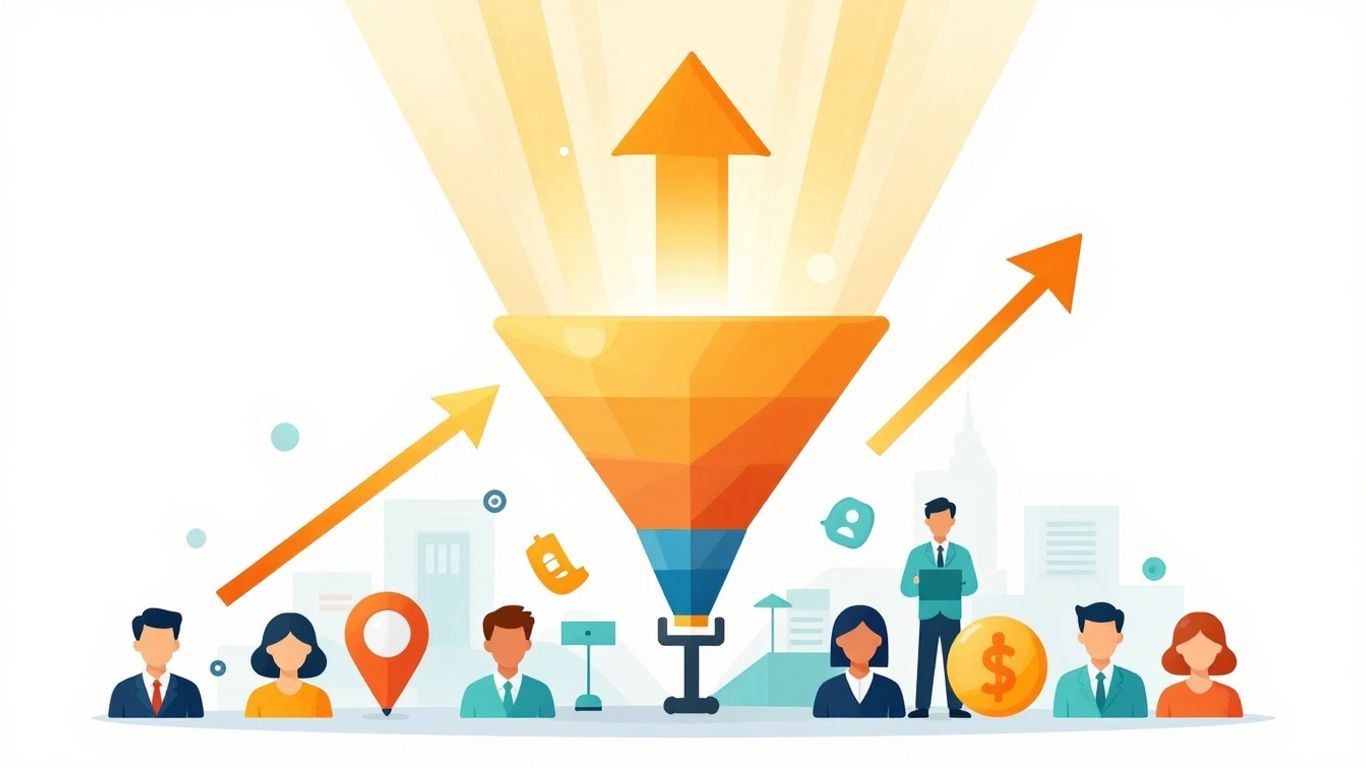
Look, selling stuff isn’t just about having a good product or a slick website. It’s about understanding what makes people tick, what makes them want to buy. We’re talking about the stuff that happens between their ears, the little nudges and signals that turn a browser into a buyer. Forget those generic “buy now!” buttons; we need to get smarter.
Moving Past Generic Urgency: The Art Of Meaningful Moments
So, you see those countdown timers everywhere, right? “Sale ends in 2 hours!” Yeah, most people see right through that. It feels fake, like a cheap trick. What actually works is creating real moments of urgency, moments that are tied to something genuine. Think about it: if there are only 5 left of that thing they’re looking at, or if a special offer is actually about to expire because of a specific event, that’s different. That’s not just a timer; that’s a signal that something is happening now and they need to act.
- Real Scarcity: When stock is genuinely low, say so. Don’t fake it. People can tell.
- Event-Based Offers: Tie promotions to specific events, like a product launch or a limited-time bundle. This creates a natural deadline.
- Personalized Triggers: Offer something special based on their actions, like a discount for signing up or a bonus for completing their profile.
The goal isn’t to trick people into buying. It’s to make the buying decision feel like the most logical, exciting, and timely choice they can make, based on real circumstances.
Leveraging Scarcity And Social Proof The Right Way
People are funny. They want what others want, and they want what’s hard to get. That’s where scarcity and social proof come in. But again, it’s not about making stuff up. If you’ve only got a limited amount of a product, shout it from the rooftops. If a bunch of people just bought something, show them that. It taps into that primal fear of missing out (FOMO) and the herd mentality.
- Show Real-Time Activity: “15 people are looking at this right now” or “Just sold 3 in the last hour.” This makes the product feel popular and in demand.
- Highlight Limited Quantities: “Only 7 left in stock!” This creates immediate pressure to buy before it’s gone.
- Feature Customer Reviews & Testimonials: Positive feedback from others builds trust and shows that people like your stuff.
Personalized Offers That Actually Drive Action
One-size-fits-all doesn’t really cut it anymore. People expect things to be tailored to them. When you send an offer that feels like it was made just for them, based on what they’ve looked at or bought before, they’re way more likely to pay attention. It shows you get them. This isn’t just about slapping their name on an email; it’s about understanding their journey and giving them exactly what they need, right when they need it. This kind of targeted approach is what separates a decent sales process from one that truly makes bank.
Avoiding The Pitfalls: Common Sales Funnel Mistakes That Kill Revenue
Look, we all want more sales, right? It seems simple enough. You put stuff out there, people buy it. But if you’re not careful, you can actually lose money trying to make money. It’s like trying to fix a leaky faucet and ending up flooding the kitchen. Here are some classic blunders that turn a promising sales process into a money pit.
Confusing Activity With Actual Results
This is a big one. You’re busy. You’re making calls, sending emails, scheduling meetings. It feels like you’re doing a lot. But are those activities actually leading to sales? Probably not, if you’re just counting the actions. Think about it: you can make a thousand calls, but if none of those people are actually a good fit or ready to buy, you’ve just wasted a ton of time and energy. Focus on what actually moves the needle – closed deals and revenue – not just how many times you picked up the phone.
- Calls Made: 1000
- Emails Sent: 5000
- Meetings Booked: 50
- Actual Sales: 2
See the problem? The numbers look impressive until you look at the bottom line.
Treating All Leads Like Gold (Spoiler: They’re Not)
Not every person who shows interest is going to buy. And that’s okay. But if you’re spending the same amount of time and resources on a tire-kicker from a completely wrong industry as you are on a hot prospect from your ideal customer profile, you’re shooting yourself in the foot. You need a way to figure out who’s actually worth your time. Lead scoring and qualification aren’t just fancy terms; they’re your shield against wasting precious sales bandwidth.
You wouldn’t try to sell a yacht to someone who just asked for directions to the bus stop. Why would you treat every lead the same way?
Optimizing Stages In Isolation: A Recipe For Disaster
This is where things get really tricky. You might notice that a lot of people drop off between the ‘demo’ and ‘proposal’ stage. So, you decide to make your demos super short and sweet, or maybe you skip some details. Sounds good, right? Wrong. You might get more people to the proposal stage, but if they’re not properly qualified or don’t understand what you’re offering, they’re still not going to buy. You’ve just moved the problem, not solved it. You’ve got to look at the whole picture, not just one piece of the puzzle. Fixing one part of the funnel without considering how it affects the others can actually make things worse overall.
Continuous Improvement: Testing And Refining Your Funnel For Maximum Gains
Look, thinking your sales funnel is ‘done’ is like thinking you’ve finished fixing that leaky faucet. It’s never really over, is it? Markets shift, customers change their minds, and what worked like a charm last month might be gathering dust today. You gotta keep tinkering.
Funnels Aren’t Static: Why Regular Testing Is Non-Negotiable
Seriously, if you set up your funnel and then just walk away, you’re basically leaving money on the table. It’s like planting a garden and never watering it. You might get a few weeds, but don’t expect a harvest. You need to be checking in, seeing what’s happening, and making adjustments. This isn’t a ‘set it and forget it’ kind of deal. It’s about making sure your sales machine keeps humming, not sputtering out.
A/B Testing Your Way To Higher Conversion Rates
This is where the rubber meets the road. A/B testing is your best friend for figuring out what actually works. You know, showing half your visitors one version of a landing page and the other half a different one? It’s not rocket science, but it’s incredibly powerful. You can test headlines, button colors, offer details – pretty much anything. The goal is to see which version gets more people to take the next step. It’s about making small, data-backed changes that add up.
For example, you might test two different calls to action:
- Version A: “Download Our Free Guide Now”
- Version B: “Get Instant Access to Your Marketing Blueprint”
Which one sounds more appealing? A/B testing will tell you for sure, not just your gut feeling. This kind of testing is key to sustainable revenue growth.
Gathering Feedback To Stay Ahead Of The Curve
Don’t just guess what your customers want. Ask them! Surveys, quick polls after a purchase, or even just paying attention to customer service emails can give you gold. What are people struggling with? What do they love? What’s confusing? This feedback loop is vital. It helps you spot issues you might have missed and gives you ideas for new improvements. It’s about making the whole process smoother for them, which, surprise, makes it better for your bottom line too.
The biggest mistake is thinking you know it all. Your customers are the ones using your funnel, so their experience is the ultimate test. Listen to them, test your assumptions, and keep tweaking. That’s how you build a funnel that actually makes you money, consistently.
Keep making your sales process better by always checking and tweaking it. Think of it like tuning a race car – small adjustments can lead to big wins! Want to see how you can boost your results? Visit our website to learn more.
So, What’s the Bottom Line?
Look, nobody’s saying this stuff is rocket science, but it’s also not just about slapping a “buy now” button on your page and hoping for the best. We’ve talked about how tweaking things – like offering a little something extra when someone’s about to bail on their cart, or reminding folks who’ve bought before that you’ve still got their back – can seriously pad your pockets. It’s about making more money from the customers you already have, and getting new ones to spend a bit more. Stop just chasing clicks and start thinking about how every little step in your sales process can actually make you richer. It’s not just marketing; it’s smart business.
Frequently Asked Questions
What’s the big deal with sales funnel optimization?
Think of it like this: instead of just trying to get more people to buy something (that’s just conversion rates), we’re looking at the whole journey. We want to make sure every step is smooth and encourages people to buy more, or come back again. It’s all about making more money from each customer, not just making more sales.
Why isn’t focusing only on conversion rates enough?
Because conversion rate is just one piece of the pie! You might get more people to click ‘buy,’ but if they’re only buying cheap stuff or not buying again, you’re still leaving money on the table. True optimization looks at how much people spend (average order value) and how much they spend over time (lifetime value). Those numbers tell a much bigger story about your business’s health.
How does optimizing the ‘middle’ of the funnel help?
The middle is where people decide if they really want your product. If you can make this part easier and more convincing, they’ll decide faster and be more likely to add things to their cart. Think of special offers or showing them how popular an item is – that helps them move along quicker and maybe buy more.
What’s the point of focusing on what happens *after* the sale?
This is super important! Getting a new customer costs way more than keeping an existing one happy. By offering cool stuff after they buy, you make them feel good about their choice, encourage them to buy again, and even turn them into fans who tell their friends. It’s all about building loyalty, which means more money in the long run.
How can psychology help my sales funnel?
It’s all about understanding why people buy! Instead of fake urgency like a random countdown timer, you use real reasons. Maybe a product is almost out of stock, or lots of people are looking at it right now. When offers are also personalized to what someone likes, they feel more special and are more likely to act.
What are the biggest mistakes people make with their sales funnels?
A common one is just being busy without getting results – like sending tons of emails but not getting sales. Another big mistake is treating every single person who shows interest the same. Some leads are way more valuable than others! Also, trying to fix just one part of the funnel without thinking about how it affects the others can mess things up.