
So, you’ve got a great HVAC business, but are people finding you when they need you most? In today’s world, if you’re not online, you’re pretty much invisible. This guide is all about getting your HVAC company seen and found by the right customers. We’ll walk through how to make your website a lead-generating machine, how to show up when folks search for ‘AC repair near me,’ and how to build trust so you’re the first call they make. It’s not as complicated as it sounds, and it’s key for growing your business.
Key Takeaways
- Your website is your digital storefront; make sure it’s easy to use, looks good, and clearly tells people what you do and how to contact you.
- Local SEO is super important for showing up when people search for HVAC services in their area. Think Google My Business and getting good reviews.
- Paid ads can get you in front of customers quickly, especially when they have an urgent need. Just make sure you’re tracking what works so you don’t waste money.
- Building trust online means more than just fixing things. Social media and sharing helpful content can make you a go-to resource.
- You’ve got to track your results. Knowing where your leads come from and what your return on investment is helps you spend your marketing money smarter.
Stop Guessing, Start Growing: Your HVAC Digital Marketing Blueprint
Why Your HVAC Business Needs To Be Online Yesterday
Look, if you’re still thinking of the internet as some kind of fad, or just a place for your grandkids to waste time, you’re in for a rude awakening. The game has changed. People aren’t flipping through the Yellow Pages anymore, hoping to find a number for an AC repair guy when their house feels like a sauna. They’re grabbing their phones. Right now. If you’re not online, you’re basically invisible.
Think about it. How many times have you searched for something on Google before making a decision? Most folks do. For HVAC services, it’s even more critical. When the AC goes out in July, nobody’s waiting around. They want answers now. And if your business isn’t showing up in those search results, you can bet your competitor’s is. It’s not about being fancy; it’s about being found when it matters most.
Here’s the deal:
- Customers expect it: Most homeowners check out a company’s website before they even think about calling. If yours is a ghost town, they’ll move on.
- Speed matters: People wait about three seconds for a website to load. If yours is slow, poof, they’re gone.
- Service expectations are high: Two or three bad experiences, and customers are out the door. Being online helps you manage that customer journey from the get-go.
The Internet Isn’t Just For Cat Videos Anymore
Seriously, the internet is where your customers are. They spend hours every day scrolling, searching, and comparing. Your HVAC business needs to be part of that conversation. It’s not just about having a website; it’s about having a presence. This means showing up when people search for "AC repair near me" or "furnace service." It’s about being the obvious choice because you’re easy to find and look professional.
The digital world isn’t some separate universe; it’s where your actual customers live and make decisions. Your business needs to be there, too, not as an afterthought, but as a primary point of contact and information.
Turning Clicks Into Customers: The Real Goal
Having a website is step one. Getting people to do something once they’re there is step two. We’re not just aiming for website traffic; we’re aiming for booked appointments and paying customers. This means your website needs to be more than just a digital brochure. It needs to be a lead-generating machine. We’ll get into the nitty-gritty of how to make that happen, but the bottom line is this: your online efforts should directly translate into more revenue for your business. It’s about making smart moves online so you can stop guessing and start growing. We’ll look at how to get found locally when people need you most, how to make your website work for you, and how to track what’s actually bringing in the dough. No more throwing money into the void. It’s time to get serious about your online game.
Your Website: The Digital Front Door That Actually Closes Deals
Look, your website. It’s not just some digital billboard you stick up and forget about. Think of it as your 24/7 salesperson, the one who never calls in sick and actually knows how to close. In today’s world, if your website is a mess, or worse, doesn’t exist, you’re basically telling potential customers to go find someone else. And they will. People aren’t flipping through the Yellow Pages anymore; they’re tapping on their phones. Your website is the first real impression you make, and it needs to work harder than you do.
Beyond Pretty Pictures: Making Your Website Work Overtime
Forget just slapping up some photos of your trucks and a "Contact Us" button. Your website needs to do things. It needs to answer questions before they’re even asked, build confidence, and make it ridiculously easy for someone to pick up the phone or fill out a form. We’re talking about a site that loads faster than a speeding bullet (seriously, people bail if it’s slow) and looks good on any device, especially a phone. Most folks are looking you up on their mobile, often when their AC is already on the fritz. A clunky, slow site? That’s a lead lost before you even knew they were there.
Navigation That Doesn’t Make People Want To Scream
Nobody, and I mean nobody, likes getting lost on a website. If your visitors are hunting around like they’re in a maze just to find your service area or your phone number, they’re going to get frustrated. And frustrated people don’t book appointments; they leave. Keep your menus simple. Make it obvious where to go for pricing, services, and how to get in touch. Think of it like a well-organized shop – everything is where it should be, easy to find. This is key to making sure people don’t bounce off your site. A good user experience can make all the difference in turning a browser into a buyer.
Content That Sells Without Being Pushy
Your website’s content is your chance to show folks you know your stuff without sounding like a used car salesman. Instead of just listing services, talk about the problems you solve. Got a leaky pipe? Explain what causes it and how you fix it. Offer tips on how to keep their HVAC system running smoothly. This kind of helpful information positions you as the go-to expert. People want to trust who they let into their homes. Providing useful content, like maintenance advice or explanations of common issues, builds that trust. It’s about being helpful first, and selling second. You can even display customer testimonials prominently to build credibility. Remember, a happy customer is your best advertisement, and showcasing their positive experiences can really seal the deal for new prospects.
Dominate Local Search: Get Found When It Matters Most
Look, people aren’t exactly planning their HVAC emergencies weeks in advance. When the AC dies in July or the furnace gives up in January, they need someone now. And where do they look? Their phone. Specifically, they’re typing things like ‘AC repair near me’ or ‘furnace service [your town]’. If you’re not showing up right there, you’re basically invisible. And invisible businesses don’t make money.
Local SEO: Your Secret Weapon Against The Big Guys
Think of local SEO as your unfair advantage. While the big national chains might have huge marketing budgets, they often can’t compete with a local business that’s dialed into its community. We’re talking about making sure Google knows you exist, you’re good at what you do, and you’re right there for the people who need you. It’s about showing up when it counts.
Google My Business: More Than Just A Listing
This is your digital storefront on Google Search and Maps. It’s free, so there’s no excuse not to have it. But just having it isn’t enough. You gotta fill it out completely. Think:
- Accurate Name, Address, Phone Number (NAP) – Make sure it’s the same everywhere online.
- Killer Photos – Show off your team, your trucks, your good work.
- Services & Service Areas – Be crystal clear about what you do and where you do it.
- Updates & Q&A – Keep people informed and answer their questions.
This is often the very first impression a potential customer has of your business.
Reviews: Turning Happy Customers Into Your Best Salespeople
People trust other people. If a stranger on the internet says you fixed their AC right and didn’t rip them off, that’s gold. You need to actively encourage your happy customers to leave reviews, especially on Google. Don’t be shy about asking. A simple follow-up email or text can work wonders. And if you get a bad review? Don’t freak out. Respond professionally and try to fix it. It shows you care.
Getting found locally isn’t just about having a website; it’s about being visible where people are actually looking for your services right now. That means mastering the local search game, and Google My Business is your home turf.
Paid Ads: The Fast Track To A Full Schedule
Alright, let’s talk about getting your phone ringing off the hook. You’ve got a great HVAC business, but if folks can’t find you when their AC dies on the hottest day of the year, what’s the point? That’s where paid ads come in. Think of them as the express lane to getting your business in front of people who need you right now.
When ‘Near Me’ Means Money In Your Pocket
People don’t usually search for "HVAC services" when they’re just curious. They search when they’re in a jam. "AC repair near me," "furnace not working," "emergency plumber" – these are the searches that mean business. Paid ads, especially on search engines like Google, let you grab those high-intent searches. You’re not just showing up; you’re showing up when someone’s wallet is practically open.
- Google Ads (formerly AdWords): This is the big one. You bid on keywords people type into Google. When someone searches for "emergency AC repair in [your city]," and you’ve bid on that term, your ad can pop up right at the top. It’s direct, it’s immediate, and it’s targeted.
- Local Services Ads (LSAs): These are even more direct. Google vets you, and if you qualify, your ad appears at the very top of search results, often with a "Google Guaranteed" badge. People click, and you pay for the lead, not the click. It’s a fantastic way to get in front of people who are ready to hire.
- Social Media Ads: While not as immediate as search ads for emergency needs, platforms like Facebook and Instagram let you target specific demographics in your service area. Think about running ads for seasonal tune-ups or special offers to homeowners in certain zip codes. It’s about building awareness and getting on their radar before they have an emergency.
Stop Wasting Money, Start Getting Calls
The trick with paid ads isn’t just spending money; it’s spending it wisely. You don’t want to throw cash into a black hole. You want calls, and more importantly, you want jobs booked from those calls.
Here’s how to make sure your ad spend actually pays off:
- Know Your Keywords: Don’t just guess. Research what terms people are actually using when they need your services. Focus on terms that show intent to buy.
- Target Locally: If you only service a 30-mile radius, make sure your ads are only showing up in that radius. Wasting money on people who are too far away is just that – a waste.
- Compelling Ad Copy: Your ad needs to stand out. Highlight what makes you different. Is it 24/7 service? A satisfaction guarantee? Special offers? Make it clear and concise.
- Strong Landing Pages: When someone clicks your ad, they need to land on a page that’s relevant to the ad they clicked. It should make it super easy for them to call you or fill out a contact form.
The biggest mistake businesses make with paid ads is treating them like a "set it and forget it" thing. You have to watch them, tweak them, and make sure they’re actually bringing in profitable business. It’s not just about clicks; it’s about the quality of those clicks and what happens after.
Beyond The Click: Tracking What Actually Works
This is where a lot of businesses drop the ball. They run ads, get some clicks, maybe even some calls, but they don’t know which ads are actually leading to booked jobs and revenue. You need to track everything.
- Call Tracking: Use dedicated phone numbers for your different ad campaigns. This way, you know exactly which ad brought in a specific call. Was it the Google Search ad? The Facebook ad? The LSA lead?
- Conversion Tracking: Set up tracking on your website to see when someone fills out a contact form after clicking an ad. This tells you if your website is doing its job once the ad brings traffic.
- Analyze Your Data: Look at your ad platform reports and your call tracking data. Which campaigns are giving you the most leads? Which ones are giving you the most booked jobs? Which ones have the lowest cost per lead or cost per booked job?
Paid ads can be a powerful engine for growth, but only if you’re smart about how you use them. Focus on the ‘near me’ searches, make your ads count, and track everything to make sure you’re not just spending money, but investing it wisely to fill your schedule.
Building Trust & Authority: Beyond The Service Call
Look, anyone can fix a leaky faucet or swap out an old furnace. That’s the job. But what makes people choose you, trust you, and call you back when the next thing goes haywire? It’s not just about showing up and doing the work. It’s about being the guy (or gal) they feel good about letting into their home, the one they tell their neighbors about. This is where building trust and authority really kicks in, and it happens way before they even pick up the phone.
Social Media: Not Just For Posting Vacation Pics
Forget what you think you know about social media being just for sharing vacation photos or what you had for lunch. For your HVAC business, it’s a goldmine for showing you’re a real, human operation. Think about it: people are letting you into their homes. They want to know who you are. Posting a quick video of your team prepping for a job, sharing a simple maintenance tip that saves folks money, or even just a friendly "Happy Friday" from the office can make a huge difference. It’s about being visible and relatable. Don’t just sell; show you care. When you engage with comments, answer questions, and generally act like a decent human being online, you’re building a connection. This isn’t about going viral; it’s about building a community that trusts you.
Content That Educates, Not Just Sells
Nobody wants to be sold to all the time. They want answers. They have a problem, and they’re looking for the best solution. Your job is to be the one providing those answers, not just pushing your services. Think about the common questions you get: "Why is my AC making that noise?" "How often should I change my air filter?" "What’s the deal with these energy bills?" Write blog posts, create short videos, or even just put together a simple infographic answering these questions. This kind of content positions you as the go-to expert. It shows you know your stuff and, more importantly, that you want to help people avoid problems in the first place. This builds massive credibility. When they do have a problem, guess who they’ll think of? You. It’s about being the helpful neighbor, not the pushy salesperson. This is how you get found when people search for HVAC help online HVAC help.
Reputation Management: Handling The Good, The Bad, And The Ugly
Your online reputation is basically your digital handshake. And let’s be honest, in the service business, reviews are everything. Happy customers are great, but how do you get them to actually leave a review? Make it easy for them. A simple follow-up email or text after a job well done, with a direct link to your review page, can work wonders. But what about the not-so-great reviews? Don’t ignore them. That’s a huge mistake. Respond professionally and calmly. Acknowledge the issue, apologize if necessary, and explain what you’re doing to fix it or prevent it from happening again. This shows potential customers that you care about customer satisfaction, even when things go wrong. It’s not about having a perfect record; it’s about how you handle imperfections. A well-managed reputation turns potential problems into opportunities to show your commitment to service.
People are looking for proof that you’re reliable and honest before they even call. Your online presence, from social media interactions to customer reviews, is that proof. It’s the digital equivalent of a trusted recommendation.
Here’s a quick look at how different aspects build that trust:
- Social Media Activity: Consistent, helpful posts and engagement.
- Educational Content: Answering customer questions proactively.
- Online Reviews: Positive feedback and professional responses to negative feedback.
- Website Testimonials: Showcasing happy customer experiences.
Remember, building trust isn’t a one-time thing. It’s an ongoing effort that pays off big time when customers need you most.
The Numbers Don’t Lie: Measuring Your Marketing Wins
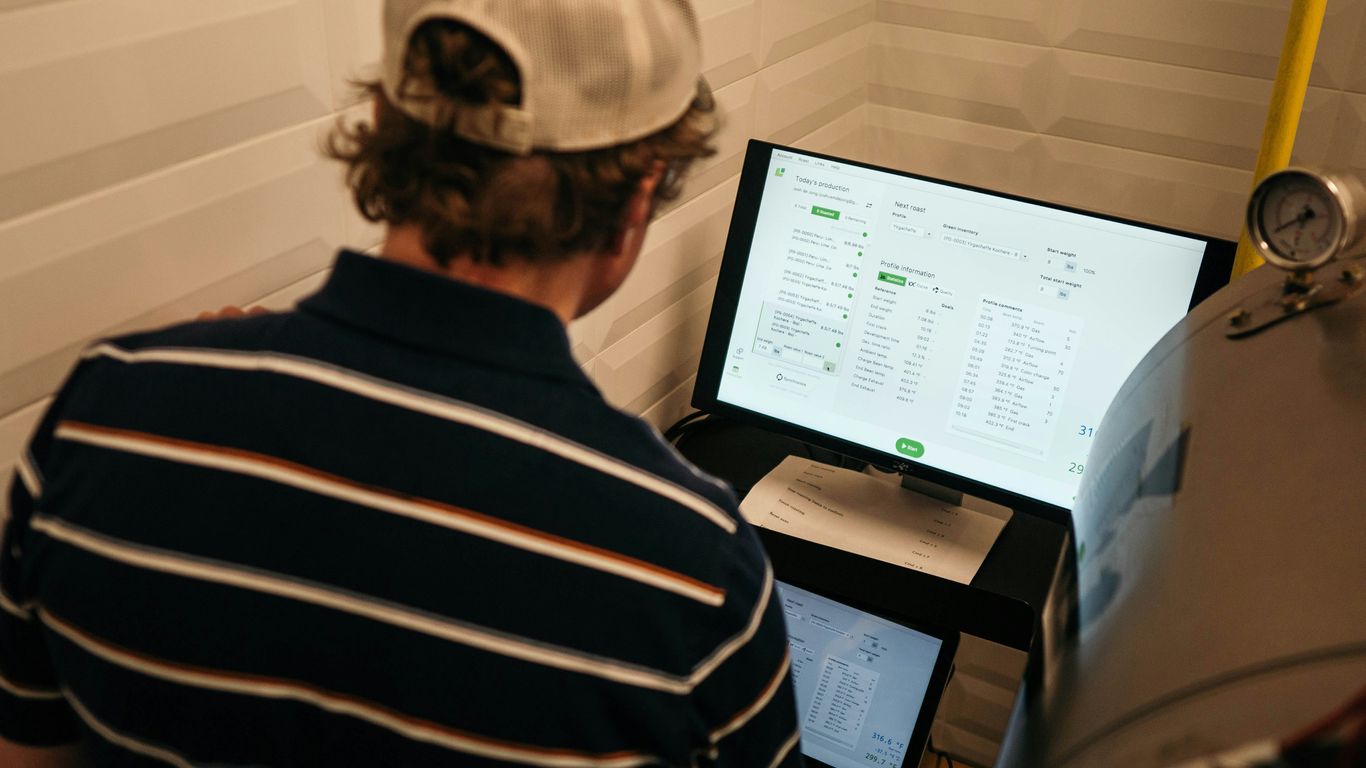
Look, you can spend a fortune on ads, build the fanciest website, and even get your name on every billboard in town, but if you don’t know what’s actually working, you’re just throwing money into a black hole. And let’s be honest, nobody wants to do that. We’re here to make money, not just spend it.
If You Can’t Measure It, You Can’t Improve It
This isn’t rocket science, folks. It’s just good business. You wouldn’t run your service calls blindfolded, right? You need to know if the AC is blowing cold or if the furnace is making that weird clunking noise. Marketing is no different. You need to track where your leads are coming from, which campaigns are bringing in the most calls, and which ones are just… well, costing you dough.
- Website Traffic: How many people are actually visiting your site?
- Lead Sources: Are they finding you through Google, Facebook, a flyer, or that weird ad you ran in the local paper?
- Conversion Rates: Of the people who visit, how many actually fill out a form or pick up the phone?
- Cost Per Lead: How much did you spend to get that one phone call?
Call Tracking: The Unsung Hero Of HVAC Marketing
Let’s talk about phone calls. For an HVAC business, a phone call is often pure gold. It means someone has a problem right now. But if you’re just looking at your phone bill, you have no idea which marketing effort led to that call. That’s where call tracking comes in. You can assign unique phone numbers to different campaigns – one for your Google Ads, one for your flyers, one for your website. When that number rings, you know exactly where the customer came from. It’s like having a secret decoder ring for your marketing.
You can even record these calls (with proper consent, of course). Listen back to how your team handles inquiries. Are they friendly? Do they sound knowledgeable? Are they closing the deal or scaring people away? This is gold for training and improving your customer service.
Understanding Your ROI: Where’s The Money Really Going?
ROI, or Return on Investment. Fancy term, simple idea: Are you making more money than you’re spending on marketing? If you spend $500 on a Google Ads campaign and it brings in $2,000 worth of business, that’s a pretty good return. If you spend $500 and only get $300 in business, well, you just lost money. We need to figure out which activities give you the best bang for your buck.
Here’s a quick look at how to think about it:
| Marketing Activity | Cost | Leads Generated | Jobs Booked | Revenue Generated | ROI |
|---|---|---|---|---|---|
| Google Ads | $500 | 15 | 5 | $2,500 | 400% |
| Local SEO | $300/month | 10 | 4 | $2,000 | 567% |
| Facebook Ads | $200 | 8 | 2 | $1,000 | 400% |
| Direct Mail | $1,000 | 12 | 3 | $1,500 | 50% |
See? The direct mail might be bringing in leads, but it’s costing you a fortune for each job booked. Meanwhile, your local SEO is a cash cow. This kind of data helps you make smart decisions about where to put your marketing dollars next month, next quarter, and next year. Stop guessing, start measuring, and watch your business grow.
Stop guessing if your marketing is working! We help you see exactly what’s bringing in customers and what’s just costing you money. Ready to find out what’s really driving your success? Visit our website to learn how we can help you measure your marketing wins and boost your business.
So, What’s the Takeaway?
Look, getting your HVAC business seen online isn’t some dark art. It’s about showing up where people are actually looking – and that’s the internet. You’ve got the tools now, from making your website actually work for you to getting found when someone’s AC goes kaput. Don’t overthink it. Just get started. Put up a decent website, make sure folks can find you on Google, and stop leaving money on the table. It’s not rocket science, but it does take a little effort. Get it done.
Frequently Asked Questions
Why should my HVAC business be online?
Think of it this way: most people today hop on their phones or computers to find pretty much anything they need, including someone to fix their air conditioner or heater. If your business isn’t online, you’re basically invisible to a huge chunk of potential customers. Being online means you can be found when people are actively looking for your services, which is a massive opportunity for growth.
What’s the most important part of my HVAC website?
Your website is like your digital storefront. It needs to look good, sure, but more importantly, it has to be super easy for people to use. They should be able to find out what you do, where you serve, and how to contact you without any hassle. Think clear buttons, simple menus, and all the important info right there. A confusing website is a lost customer.
How can I get found by local customers?
That’s where ‘Local SEO’ comes in. It’s all about making sure your business shows up when people in your area search for HVAC services. Things like having a complete Google My Business profile and getting good customer reviews are huge. It’s like putting up a neon sign right where people are looking.
Are paid ads worth it for HVAC companies?
Absolutely! Paid ads, like those on Google, can be a really fast way to get your business in front of people who need your help *right now*. If someone searches ’emergency AC repair near me,’ you want your ad to pop up. It’s like getting a direct line to customers who are ready to book.
How do I build trust with customers online?
It’s not just about fixing their AC; it’s about showing you’re reliable and knowledgeable. Sharing helpful tips on social media, writing articles that answer common questions, and making sure your online reviews are mostly positive all help build trust. People want to hire someone they feel good about.
How do I know if my online marketing is actually working?
You’ve gotta track your results! This means looking at things like how many people visit your website, how many fill out your contact form, and, super importantly, how many calls you get from your online ads or listings. By watching these numbers, you can see what’s bringing in business and what’s just costing you money, so you can spend your budget smarter.


